
From Bollywood baddies to Prada rebels, have villains always used fashion to express power, break norms, and steal the spotlight?
“The moment Priyanka Chopra entered the party scene in Aitraaz, she commanded an undeniably strong presence, exuded boss-lady confidence, and looked remarkably sultry in the black velvet skirt paired with heavy accessories and a crystal chain mail-inspired top,” said Anvi Jain, 22, a student of Fashion Communication at Pearl Academy.

Image Credits: Google
Model in frame: Priyanka Chopra Jonas
Fashion has long been used as a tool for expression and villains are no exceptions. From Kangana Ranaut in Krrish 3 to Meryl Streep in The Devil Wears Prada, the unconventional wardrobe of the antagonists often outshines their protagonist counterparts. There’s something magnetic about their bold and dramatic fashion choices. They wear their power like a cloak, using style to assert dominance and craft an unforgettable persona. Whether it’s a sharp suit or a striking silhouette, the villains’ wardrobes often steal the show.
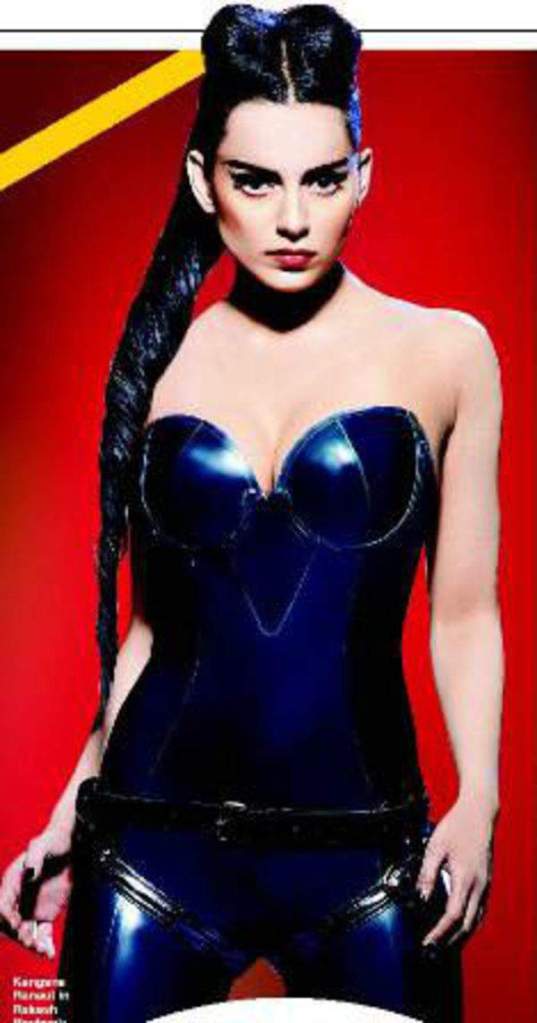
Image Credits: Google
Model in frame: Kangana Ranaut
“Amrish Puri’s portrayal of Mogambo in Mr. India is unforgettable especially because of his fashion which defined the character in a way which requires no introduction. His distinct jacket with golden work, made him seem untouchable. Every time he gestured or let out his signature maniacal laugh, the sharpness of his clothes emphasized his power, making him even more chilling,” said Vineet Kishore, 48, an optical industry businessman based in Chandni Chowk, Delhi.

Image Credits: Google
Model in frame: Amrish Puri
What makes the fashion of villains so captivating? The simplest answer to it is freedom. Villains don’t follow the rules; they break them. Their style is a reflection of their defiance against societal conventions. In contrast, heroes are bound by moral codes whereas villains thrive in rebellion, using fashion as a tool to showcase their power, individuality, and fearlessness.
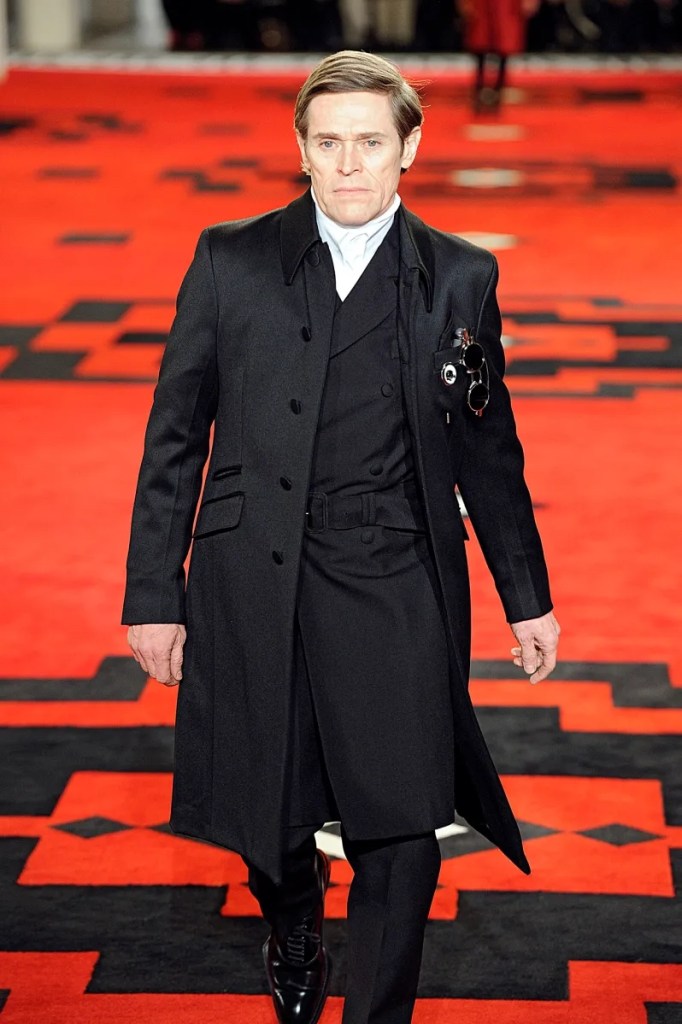
Image Credits: Google
Model in frame: Willem Dafoe
Some villains are so captivating that they influence the style of their viewers, despite of playing a negative role. Paawan Gupta, 24, an businessman managing the family business of textiles, said, “Hrithik Roshan’s character, Mr. A, in Dhoom 2 had such a cool style that it made the 11-year-old me consider robbery as a career path. His aura was so captivating that he made the role of the villain look more like that of a fashionable hero.”
In the West, Miuccia Prada’s Fall/Winter 2012 collection, in the Milan Fashion Week, left the industry in awe, marking one of the most ground-breaking moments in the history of runways. Prada transformed the runway into a stage for classic villains, drawing inspiration from Hollywood’s most iconic antagonists. Popular villains like Willem Dafoe (Spider–Man), Adrien Brody (Peaky Blinders) and Gary Oldman (The Dark Knight) along with many others walked the show wearing Prada’s ready-to-wear line.

Image Credits: Google
Model in Frame: Adrien Brody
The collection demonstrated how fashion can amplify villainous traits like strength, rebellion, and unapologetic boldness. It featured exaggerated shoulders, metallic accents, and structured ensembles that exuded authority. The use of dark, sharp tones juxtaposed with eye-catching prints embodied the very essence of a villain. It was regarded as the first apparel range which explored the idea of villain fashion as it cemented Prada’s legacy in power dressing.
Heroes are often confined by virtue, but villains embrace freedom using fashion as a tool for power and dominance because heroes may save the day, but it is the villains who own the runway.


 third clique
Leave a comment