
The allure of well draped sarees and Mekhela chadors passed down by my grandmothers taught me that fashion is a form of strength and subtle rebellion.
I still remember the pure Muga Mekhela adorned with golden embroidery my mother wore for her Juroon Ceremony in the 90s. “That Mekhela is older than you,” she smiled and told me as I thoroughly inspected every hem and stitch of the garment. These cherished memories from back home in Assam remind me how such heirloom pieces from my mother and grandmothers’ wardrobe tremendously influenced how I would see fashion forever.
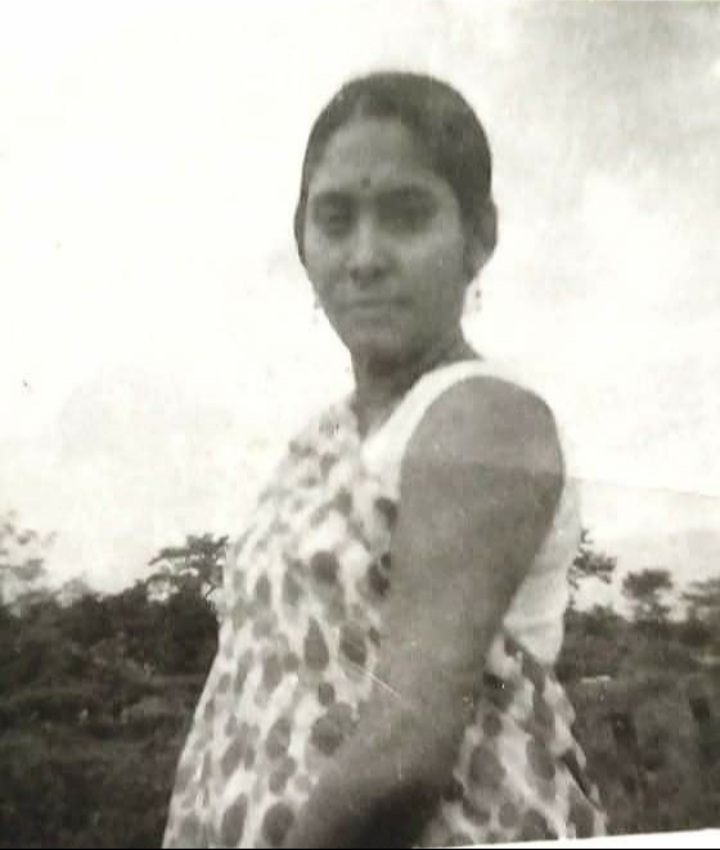
Image Credits: Aditi Bora
In frame: Dolly Bora
As a child, I saw clothes as ordinary fabrics, but as I grew older, I realised that fashion has never been just about clothing; it is about how it is carried, worn, and brought to life. It is a legacy. As a former politician in Assam in the early 2000s, a time when a female politician’s clothing was a determinant factor of her image, and still is, my grandmother’s carefully draped silk sarees with a vintage Coach watch on her wrist and a simple pair of pearl earrings were an embodiment of the principle, ‘less is more.’ Growing up in a world where trends came and went, her style remained timeless.
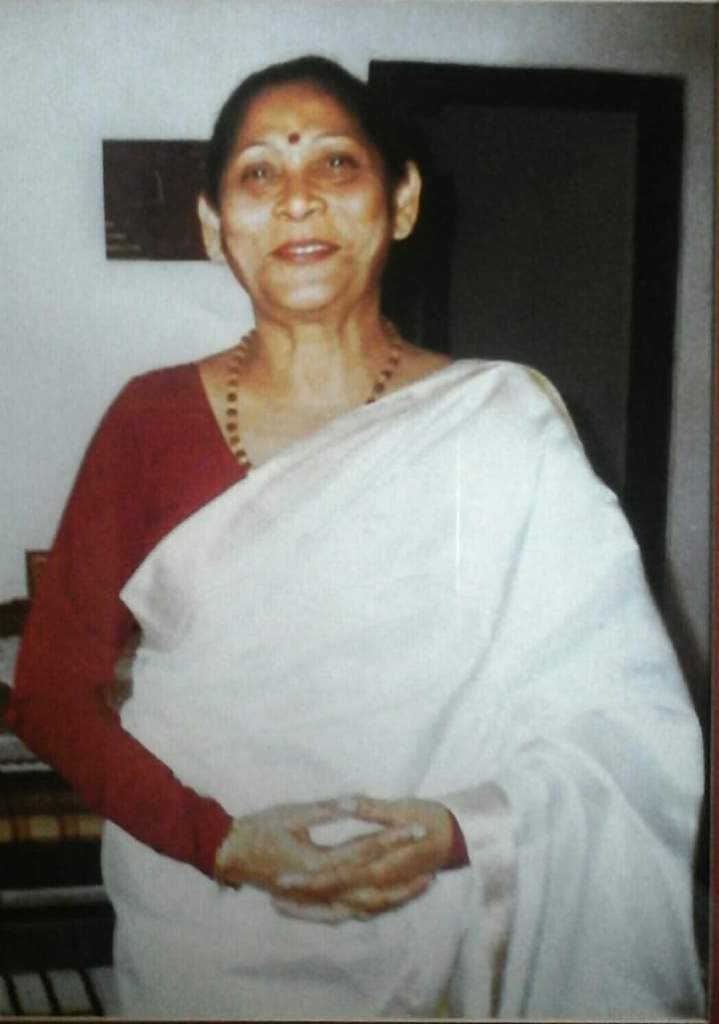
Image Credits: Aditi Bora
In frame: Dolly Bora
In our many conversations, she would remind me, “A saree is a dignified attire that brings out the true beauty of a woman.” My maternal grandmother, on the other hand, was a homemaker and a schoolteacher, yet her style was just as impactful. Both wore plain cotton sarees with minimal to no embellishments in such a refined way that it reflected their personalities and influenced mine.

Image Credits: Aditi Bora
In frame: Dolly Bora
What stood out even more was their boldness and courageous choices.
Back in the early 1960s and 70s, in a place like Assam where such things were rarely seen, they both wore high heels. It was an act of subtle defiance, a way of embracing modernity while remaining rooted in tradition. Their style weren’t just about looking good; they were about carrying themselves with elegance, a quality that even money cannot buy.
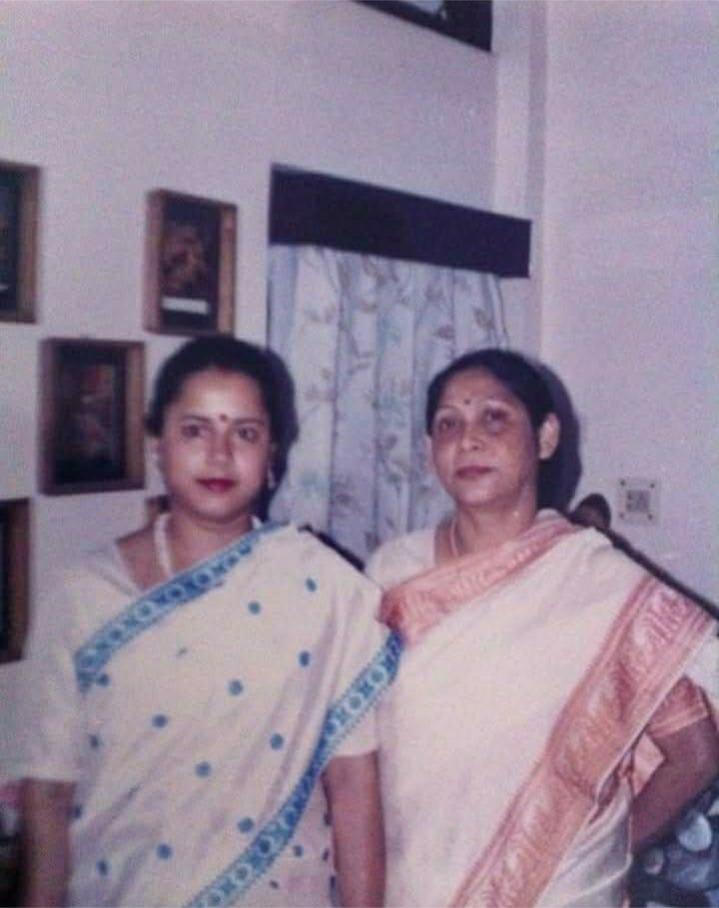
Image Credits: Aditi Bora
In frame: Pallavi Bora (L) and Dolly Bora (R)
This connection to inherited fashion runs even deeper when I date back to my earliest encounters with clothing. As an infant, my baby layettes were hand-knitted and stitched by my grandmothers, infused with their fine craftsmanship and love. Even today, at 23 years old, I find myself drawn to the same floral embroideries and delicate designs whenever I shop. There is a subconscious search for those patterns, a quiet longing for the familiarity of what once wrapped me in warmth.
I never consciously set out to dress like my grandmothers. My closet was often dictated by fast fashion,and Western influences. Yet, as I got older, I noticed how their style had seeped into mine. I gravitated toward well-structured clothing, appreciating long-sleeved silhouettes and classic fabrics. For instance, a plain cotton saree with floral hand block printing from Farida Gupta would be a standout piece.
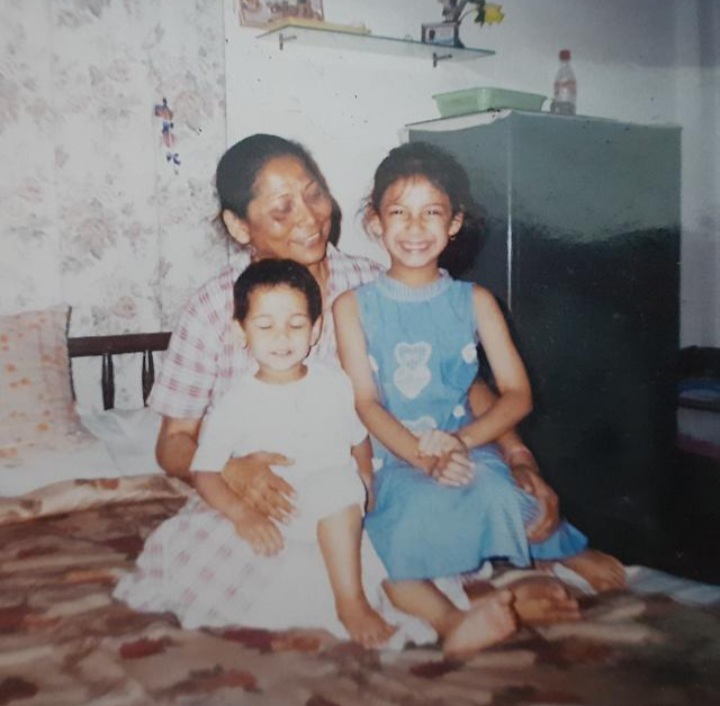
Image Credits: Aditi Bora
In frame: Dolly Bora (Behind), Aditi Bora (L), Eshani Bora (R)
Fashion, as I see it now, is about what we wear and how we channel who we are. Even in today’s digital age, where trends shift at lightning speed, I am drawn to the motto of dressing with purpose. While my wardrobe may not be identical to my grandmothers’, the essence of what they stood for continues to leave an indelible mark on my preferences. I find comfort in knowing that some things-like a well-draped saree, never go out of style.



 third clique
Leave a comment